Need rodent & wildlife removal services in Buena?
- Referral to independent local providers
- Help for older homes
- Written quotes to compare
- No obligation to hire
No obligation
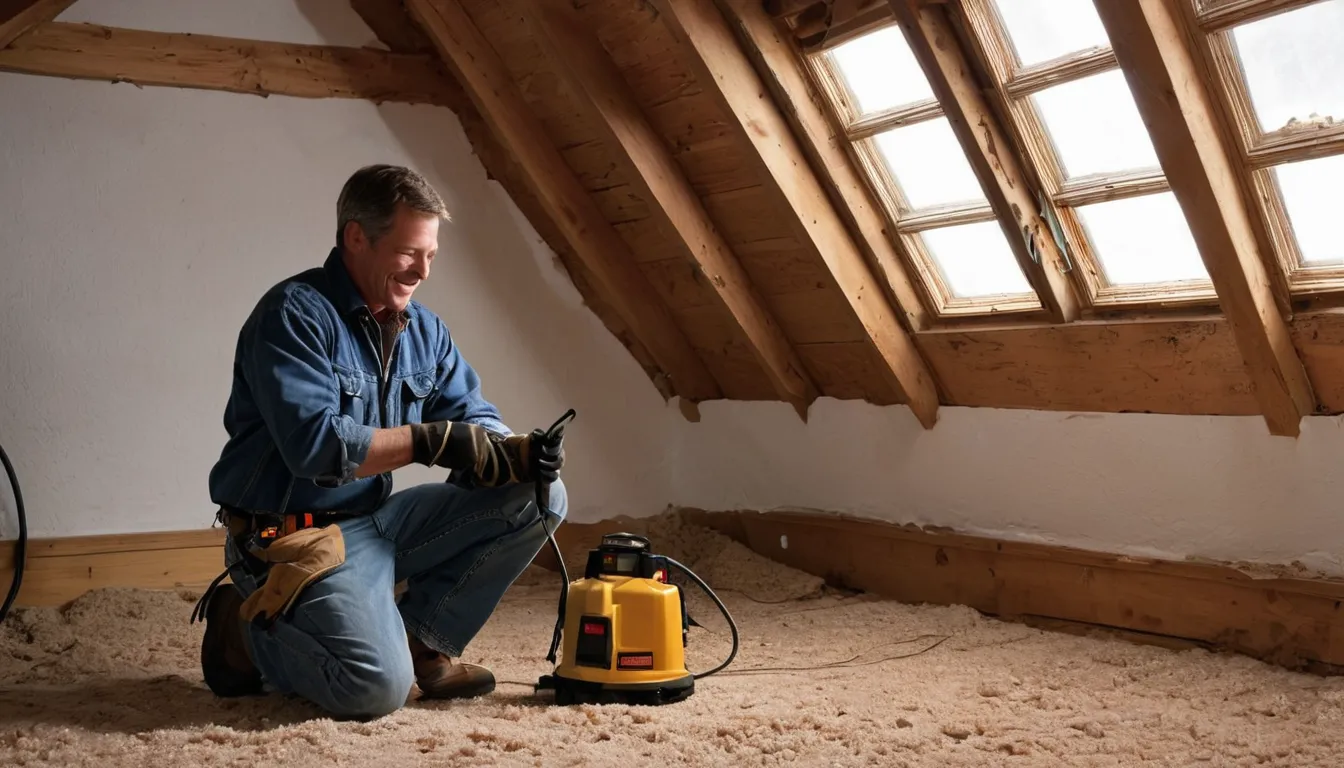
Mice, rats, squirrels, raccoons and bats all find their way into older homes. Stone and block foundations, worn siding and past repairs leave gaps that are easy to miss. A local provider can find the entry points, remove the animals and help seal the house.
Topicsmoments Pest Control is a referral service. We do not do the work. We connect homeowners in the Buena area with independent providers in our network who handle rodent and wildlife removal. Costs vary a lot by animal and by house, so this page explains what drives the price and what usually happens next. That way you can compare written quotes with confidence and choose what fits your budget.
Scratching at night. Thumping overhead. A musty smell near a vent. Something may be living in your house.
Older homes give animals many ways in. The smart first move is to learn what you have, because the animal decides the plan, and the plan decides the price.
The timing gives clues.
Rodents multiply quickly. A small problem in fall can be a crowded one by midwinter. Gnawed wiring is also a real concern, and it can turn a modest bill into a repair bill.
Wildlife adds timing pressure. Many animals nest in spring, and a trapped mother can leave young behind. Acting early gives you more choices and more calm.
Walk the house with a flashlight. Look for:
Take photos. They help a provider give a more accurate quote.
These are the most common. Mice fit through gaps about the size of a dime. Rats need a bit more room but chew to widen it.
They tear at soffits, vents and roof edges. Attic nests can damage insulation and leave a strong odor.
Bats are protected in many areas, and removal may be limited by season. Providers know when and how it can be done.
Aging materials leave openings. Freeze-thaw cycles crack mortar. Stone and block foundations develop small gaps at the sill. Cape Cod homes have knee walls and tight eaves where animals can hide for months.
Past repairs matter too. An old patch of mismatched material, a loose vent cover or a gap around a pipe can all be an open door. Old house, fresh look: a good provider checks these spots, not just the obvious one.
The provider checks the attic, basement, roofline and foundation. The goal is to find where animals get in and how many there are.
This may mean traps, one-way exit doors or other methods, depending on the animal and local rules.
This step keeps the problem from returning. It may be metal mesh, sealant or repair of damaged trim.
Some jobs include removing droppings or soiled insulation. Ask whether that is part of the quote or priced separately.
Rules differ by state and town. Some animals cannot be moved or harmed, and some seasons limit what is allowed. Providers in our network should know the local requirements. Ask how they handle young animals and what happens to the animal after removal.
Four things move the number most: the animal, how many entry points there are, how hard the areas are to reach, and whether cleanup or repairs are needed. A steep roof or a cramped crawl space takes more time. A single mouse hole costs less to seal than a gnawed soffit.
Try to get two or three. Put them side by side and check:
The quote with the smallest number can leave out sealing. Know your options before you sign.
Ask if they are licensed where required, and ask about insurance. Check that they explain the plan in plain words. A good provider is clear about what they will and will not do. Be careful with anyone who offers a price over the phone with no look at the house.
If you hear something, do not wait for a bigger bill. Describe what you see and hear, then compare written quotes from providers. If you prefer, request an estimate and a provider in our network can reach out.
A provider checks the roofline, attic, basement and foundation to find how animals are getting in.
Traps or exit devices are used based on the animal and local rules.
Gaps get closed with mesh or sealant so the problem is less likely to return.
Ask about removing droppings and soiled insulation. It is often priced separately.
Prices vary by animal, house and how much sealing or cleanup is needed. These are typical U.S. ranges only. Always ask for a written quote that lists each step before work starts.
| Item | Typical range | Notes |
|---|---|---|
| Inspection | $75 – $300 | Some providers apply it to the job price |
| Mouse removal and trapping | $150 – $600 | Depends on visits and number of mice |
| Rat removal | $300 – $900 | Often needs more visits and sealing |
| Squirrel or raccoon removal | $300 – $1,200 | Roof height and nests raise cost |
| Bat exclusion | $500 – $3,000 | Season limits and building size matter |
| Entry point sealing | $200 – $2,000 | Older stone and block foundations cost more |
Note the sounds, signs and where you notice them. Photos of droppings or damage help a provider.
Request a callback to check provider availability, or request an estimate through the form.
Look at the plan, sealing, follow-ups and cleanup so you can compare quotes fairly.
Pick the provider that fits your budget and plan, and confirm timing in writing.
Understand what drives the price, then compare written quotes before anyone starts work.
Providers in our network often see stone foundations, odd framing and past repairs that hide gaps.
You learn the likely steps, trade-offs and follow-ups before you choose a provider.
Requesting an estimate carries no obligation, so you can compare calmly and decide on your terms.
Typical U.S. costs run from a few hundred dollars for mice to over a thousand for bigger jobs with sealing and cleanup. Prices vary by house and animal, so get a written quote that lists each step.
Small mouse problems sometimes respond to DIY traps. But if animals keep coming back, a provider can find and seal the entry points. Wildlife like bats and raccoons may also have legal protections, so check local rules first.
Some policies may cover sudden damage, but many exclude rodent or pest damage over time. Check your policy. Providers can often help document damage for a claim.
Tell us what you are seeing in your home. Request a callback to check provider availability, or send a request and we will point you to a local provider.
No obligation